Article 80 · Energy
China's refineries run below 80% of capacity, per Reuters, so the Trump-Xi-Putin fuel plan rests on Beijing
The leaders of the US, China and Russia say they plan to raise the supply of refined fuel, such as the diesel and gasoline made from crude oil. Their text names no amount and no date.
Three leaders and one line about fuel
Refineries turn crude oil into fuels such as diesel and gasoline. Trucking firms and many farmers run on diesel, and its US price has hit record highs during the war with Iran, AP reports.
On November 19th, US President Donald Trump, Chinese President Xi Jinping and Russian President Vladimir Putin met in Shenzhen, a city in southern China. They met beside the Asia-Pacific Economic Cooperation (APEC) summit. Anadolu Agency, a Turkish news agency, called it their first face-to-face three-way summit.
They signed a short declaration with four numbered points. The second says the three countries "plan to increase the production and supply of refined petroleum products for the benefit of all nations." It names no volume and no date.
Two other points cover reform of the United Nations and a dialogue on nuclear risk. The last says courts such as the International Criminal Court "must not abuse their jurisdiction." That Hague-based court has had a warrant out for Putin since March 2023.
Putin said afterward that the text did not set ambitious goals and that nobody would be forced to comply with it, Reuters reported. The three leaders are pictured below.
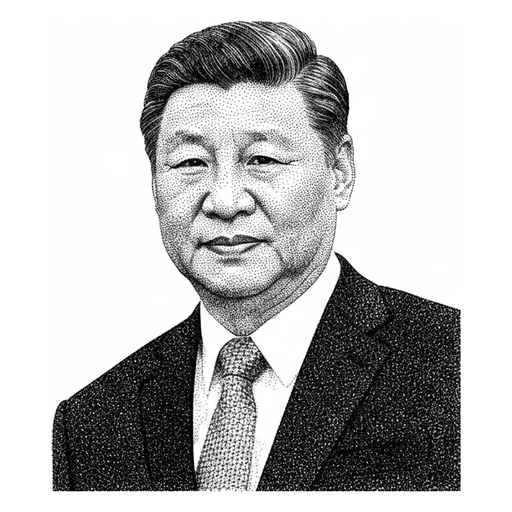
Xi Jinping
President of ChinaHosted the meeting. His government issues the export quotas that decide how much fuel Chinese refiners may sell abroad.
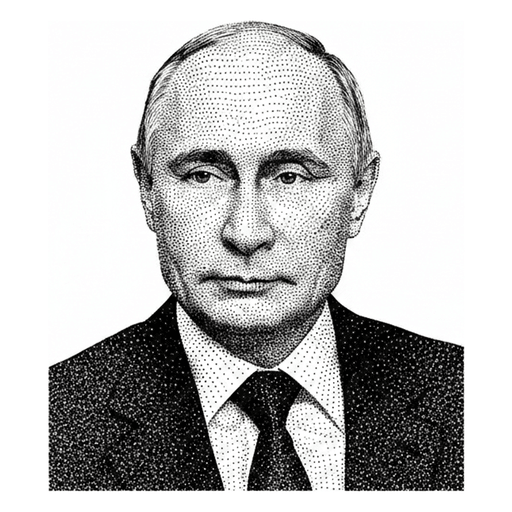
Vladimir Putin
President of RussiaSaid the declaration set no ambitious goals and would force nobody to comply, Reuters reported.
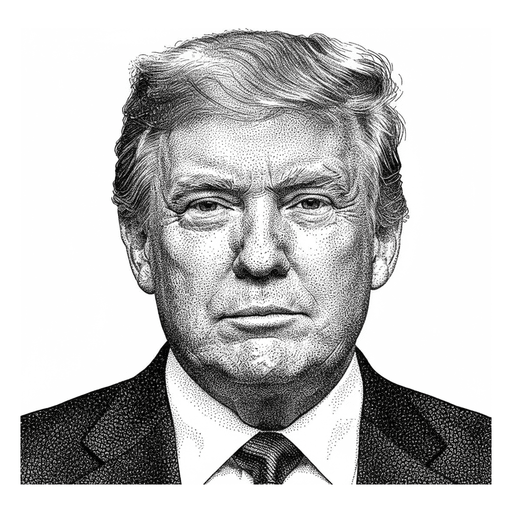
Donald Trump
President of the United StatesAnnounced a deal with Putin in October to send Russian diesel to US and global markets.
Why a line about fuel matters now
The US and Israel attacked Iran on February 28th, and fuel supply has been tight since. The International Energy Agency (IEA) tracks it in a monthly oil market report.
In its November report, the IEA said European diesel was close to $180 a barrel, 77% above pre-war levels. It wrote that "the severe tightness in product supply, especially for diesel, remains the overriding concern."
Oil & Gas Journal, a trade publication, reports that the agency sees relief coming at best in the second half of 2027.
Two of the three countries have little room
A country can add fuel quickly only if its refineries have idle capacity. US refineries ran at 95.7% of capacity in the week to November 13th, the investor website Crux Investor reported.
Russia has lost capacity to the war in Ukraine. Ukrainian drone strikes have cut Russian crude processing by 45% since late October, according to two industry sources cited by Reuters. The strikes have disrupted or halted 15 of Russia's 35 major refineries, the sources said.
China is the exception. Its refining system runs at less than 80% of capacity, Reuters columnist Clyde Russell wrote. Its refiners also had about 490,000 barrels a day more crude in October than they processed, by Reuters calculations.
Beijing decides how much fuel leaves China
Chinese refiners need export quotas from the government to sell fuel abroad. So China's exports are not driven by the market, Russell wrote.
Beijing told refiners to cut exports early in the Iran war to keep fuel at home. It later relaxed the limits.
Fuel exports fell to 5.18 million metric tons in October from 7.16 million in September, customs data show. In April they were 3.12 million tons, the lowest since January 2017. Figure 1 shows the three months.
Exporting more would be highly profitable for China's refiners, Russell wrote. The Singapore profit margin on a barrel of gasoil, the base for diesel, was $58.87 on November 16th. That is nearly three times its level the day before the Iran war began.
Before the summit, the IEA wrote that "fresh Chinese product export quotas" could raise refinery runs in Asia. Crux Investor notes that the quotas have no fixed release schedule.
China's refined fuel exports, million metric tons
The October diesel deal has not reached a US port
Trump announced a diesel deal with Putin on October 9th, AP reported. More than 300,000 metric tons of Russian diesel would be available at once to US and global markets.
The US Treasury temporarily allowed the trade despite US sanctions. New Jersey Governor Mikie Sherrill told port operators in her state to turn the ships away.
Two tankers left Primorsk, a Russian port on the Baltic Sea, for the US East Coast. Both changed course, one toward Brazil and the other into the Mediterranean, AP reported.
On November 18th, The Washington Post reported that no tanker had reached the US. The only one still carrying the fuel toward the US had halted hundreds of miles off the coast. Figure 2 sets out the dates.
From the Iran war to the Shenzhen declaration
- February 28th, 2026The US and Israel attack Iran.
- October 9th, 2026Trump announces a deal with Putin to make Russian diesel available to US and global markets.
- November 13th, 2026The IEA calls tight diesel supply the overriding concern of the market.
- November 18th, 2026Reuters sources put Russian refining down 45%. The Washington Post reports no tanker of Russian diesel has reached the US.
- November 19th, 2026Trump, Xi and Putin sign the declaration in Shenzhen.
Where to look for a change
Traders gave the text some weight. In London, diesel's premium over crude fell to $57.61 a barrel from a session high of $61 after the declaration, Crux Investor reported.
Xi signed the fuel line, and only Beijing controls the quotas. The line could be early notice of a Chinese policy change. Larger quotas and higher exports would show it.
China's customs data for November, due in December, is the first public check. When Russell wrote, Kpler, a marine data company, had counted 152,000 barrels a day of Chinese diesel exports for November. That number rises as more cargoes are assessed.