Article 39 · Weil Gotshal wind-down
A top Wall Street law firm is closing, and its clients don't yet know who takes their cases
Weil, Gotshal & Manges is a New York law firm with 1,200 lawyers that helped run some of the biggest corporate bankruptcies. Its leaders say it will wind down, and its clients now need new lawyers.
What Weil is
Weil, Gotshal & Manges is a law firm based on Fifth Avenue in Manhattan. It was founded in 1931 and has about 1,200 lawyers. It earned more than $2 billion in revenue last year.
Companies hire it when a bankruptcy, a takeover or a big lawsuit is at stake. It was chief debtors' counsel when Lehman Brothers, the investment bank, filed for bankruptcy in 2008. That is the largest Chapter 11 bankruptcy of all.
On October 28th, 2026, its leaders told partners the firm plans to wind down. A vote by the partners is expected in the coming days. Weil's own statement says its management committee has recommended "an orderly wind-down".
Why a firm this big is closing
Weil did not run out of money. It lost its people. Rival firms have paid large sums to recruit top partners for private equity, merger and litigation work, and Weil could not hold them.
In September, Michael Aiello, the corporate department chair and a leading mergers lawyer, left for Cravath, Swaine & Moore, another New York firm. He took five partners with him. Others went to Paul, Weiss, Sullivan & Cromwell and Simpson Thacher & Bartlett. Skadden, another large firm, said on October 27th that it had hired two more.
Merger talks with Willkie Farr & Gallagher, a rival firm, fell apart. Ramona Nee, the private equity partner picked in March to succeed Barry Wolf as leader, decided not to take the job, a person familiar with the matter told Reuters. The firm then hired a team from Davis Polk & Wardwell to advise on its options, and AlixPartners, a restructuring advisory firm, to run the wind-down.
The people involved are pictured below.
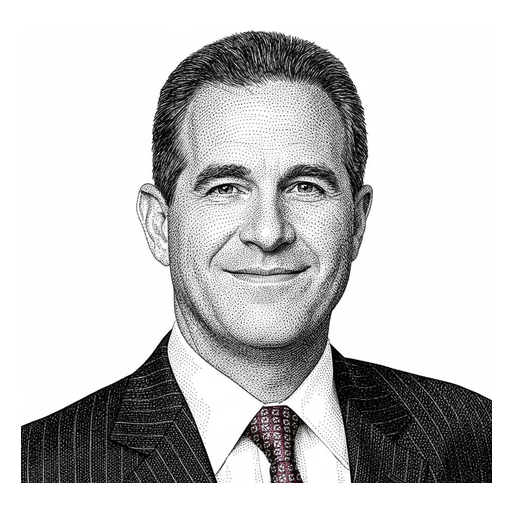
Barry Wolf
Executive partner, Weil, Gotshal & MangesHas led the firm for 16 years and told the firm of the recommendation on October 28th.

Michael Aiello
Former corporate department chair, WeilLeft for Cravath in September with five partners.
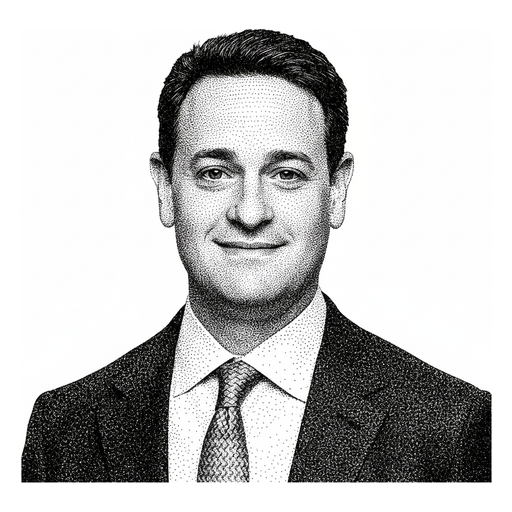
Brian Resnick
Restructuring partner, Davis Polk & WardwellLeads the Davis Polk team that Weil hired to advise on its options.
What it means for clients
The firm looks financially sound. The Wall Street Journal reports that Weil is debt-free with relatively few liabilities. Its wind-down is meant to happen outside bankruptcy. Reuters compares it to Dewey & LeBoeuf, which failed in 2012 under heavy debt. Weil does not have that problem.
Clients have a different one. A company with a case in court needs a lawyer of record, so it must name a new firm. A company in the middle of a debt deal needs lawyers who know the lenders and the documents. Weil says it will keep serving clients during the wind-down, which it expects to take months. Associates and staff were told they will be paid for 90 days.
No source names a client that has lost its lawyers so far. The public record also gives no list of Weil's open cases.
What to watch
Two things will show where the work goes: the partner vote, and whether whole Weil teams move together to rival firms. Court filings that name a new lawyer in place of Weil will show the rest.
Companies that hired Weil can ask four plain questions now: who is working on our matter, where are our files, which deadlines fall before the wind-down ends, and how will unpaid fees be settled.