Article 31 · Cost-of-living protests in Europe
Why people across Europe are protesting about the cost of living
A student protest in France grew into a wave of protests over fuel, housing and public services in six European countries. Strikes and an election in November show whether it lasts.
What is happening
Across Europe, people are protesting about the cost of living. In France, the protests began in mid-September, when high school students demanded better conditions in their schools. Unions and public-sector workers have since joined them, NPR reports.
Similar protests have followed in Italy, Spain, Portugal, Belgium and Albania. Al Jazeera describes them as separate and uncoordinated. NPR says the spark differs by country, from schools to housing, and that the protests are mostly leaderless.
Energy prices sit behind much of the anger. The war between the United States and Iran began in February. Reuters reports that gas prices have jumped about 140% and diesel prices have doubled. The European Commission estimates that the conflict has cost Europe roughly €100 billion.
The main players
Two French politicians and one Spanish leader sit at the center of the politics, pictured below.
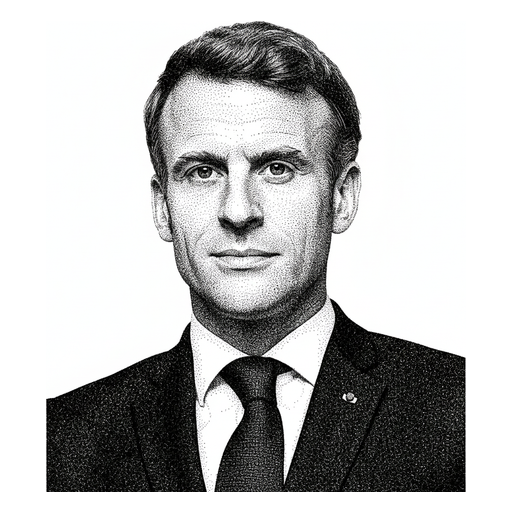
Emmanuel Macron
President of FranceAcknowledged the protesters' legitimate demands and condemned those who looted and set fires.
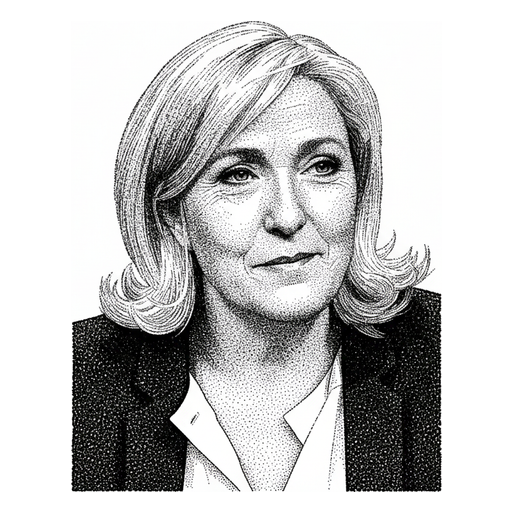
Marine Le Pen
Leader of the National Rally, a far-right partyLaunched her third presidential campaign. Polls show her as the frontrunner. She has made fuel prices a central part of it.

Pedro Sánchez
Prime Minister of SpainCalled a snap election for November 29th after parliament rejected his housing measure.
France: the largest crowds
France has seen the biggest protests. On October 17th, more than 550,000 people joined demonstrations, according to the Interior Ministry. The marches turned into clashes and looting. Prime Minister Sébastien Lecornu said 1,200 people were arrested and 150 police officers were hurt.
On October 22nd, President Macron began restrictions on the right to protest that Le Monde calls unprecedented. On October 24th, about 410,000 people marched across France, including 110,000 in Paris, according to the Interior Ministry. The CGT union put the national figure at 800,000. Figure 1 compares the two marches.
The government largely avoided looting and violence on October 24th, NPR reports, with heavy security and bans on marches in some cities. NPR's correspondent in Paris says the movement is not waning.
People at the French marches, Interior Ministry counts
The October 17th count is given as more than 550,000.
The rest of Europe
In Italy, police in Milan clashed with protesters who threw stones and looted stores. Roadblocks by truckers and farmers have disrupted transport in parts of southern Italy and contributed to local fuel shortages. The country's largest union federation, CGIL, has called a general strike for November 20th.
In Spain, the eviction of an 87-year-old woman from her home set off nationwide demonstrations about rents and housing. Prime Minister Pedro Sánchez's emergency housing measure failed in parliament on October 2nd, after Junts, a pro-Catalonia party that sometimes backs his government, voted against it. He then called a snap election. The unions UGT and CCOO have called a general strike for November 11th.
Tens of thousands marched through Lisbon, Portugal, over low wages and housing costs. Police in Brussels, Belgium, fired tear gas and water cannon at protesters. In Albania, students joined demonstrations in the capital, Tirana, and demand that Prime Minister Edi Rama resign.
Why it matters
Rising living costs are helping far-right parties. Gilles Ivaldi, a political scientist at Sciences Po, says concerns about purchasing power have become a major driver of populist politics across Europe.
In France, polling by Elabe shows Le Pen's ratings improving and Macron's slipping since the Iran war began. In Germany, the Alternative for Germany, a far-right party, leads national opinion polls. Energy price inflation there reached 14.9% in September.
The protests are not one movement. The grievances differ: schools in France, rents in Spain. What links them is the cost of living and a loss of trust in government. The Christian Science Monitor argues that people do not make sacrifices for a system they think is broken, and that hard decisions get harder as trust falls.
What to watch, and by when
Three dated events show whether the protests fade or harden. Figure 2 sets them out. A fall in fuel and diesel prices could ease the marches. The Christian Science Monitor's reading points the other way: if the anger is about trust, a price cut alone may not end it.
Dated events to watch
- November 11thSpain: the unions UGT and CCOO hold a general strike over housing costs and wages.
- November 20thItaly: the CGIL union holds a general strike.
- November 29thSpain: snap election called by Prime Minister Pedro Sánchez.