Almost any new shock pushes Senegal's IMF loan past December
IMF staff agreed a $2.2 billion loan with Senegal on September 1st. The Board still waits on a budget that parliament has blocked, and on a creditor committee that has not formed.
- If nothing changes
- With no new shock, the Board approves in time. A quiet spell with no deal still ends in a delay.
- What it depends on
- It depends on whether the IMF accepts a budget put in force by decree, and on whether the official creditor committee forms in time.
The bar on dissolving the National Assembly lapses.
Around this day the Assembly's 60-day window on the 2027 budget closes. After it, the president may enact the budget by decree.
The run checks whether the Assembly holds a recorded vote on the decree.
The run checks for a Board date on the IMF calendar and for a formed creditor committee.
The question settles: Board approval by this day, or not.
- Staff-level agreement reachedSeptember 1st, 2026
- Assembly rejects the revised 2026 budgetNovember 3rd, 2026
- Revised budget put in force by decreeNovember 19th, 2026
- Assembly deadline on the 2027 budgetDecember 11th, 2026
- Last day for a Board approvalDecember 31st, 2026
IMF staff and Senegal reached a staff-level agreement on September 1st, 2026. It covers a 36-month Extended Credit Facility of about $2.2 billion. The IMF's Executive Board must approve it before any money is paid.1
Julie Kozack, the IMF's communications director, set out the path on November 12th. The Board needs a budget framework consistent with the agreed policies. It also needs corrective measures on the hidden debt and financing assurances from Senegal's partners. She said the official creditor committee had not yet been formed.2
The Executive Board has 25 members and is chaired by the Managing Director. It normally decides by consensus. It sometimes takes formal votes, weighted by each member's quota.3
The budget is stuck in the National Assembly. Pastef, the party led by Speaker Ousmane Sonko, holds 130 of its 165 seats. On November 18th, deputies rejected the first part of the 2027 budget bill, which authorizes borrowing.6
On November 19th, President Bassirou Diomaye Faye put the rejected revised 2026 budget in force by decree. The presidency cited Article 68 of the constitution. Lawyers are divided on whether that article covers a revised budget.5
Asked whether a budget adopted without parliament would be enough, Kozack declined to speculate. She said what matters is a budget consistent with Senegal's legal framework and with the agreed policies.2
The 2027 draft puts Senegal's gross financing needs at CFA 6,608.7 billion. It counts on more than CFA 800 billion in budget support, which depends on the IMF deal.6
The Finance Ministry called the finance committee's moves "obstructionist tactics" on November 5th. It said they aimed at undermining the consolidation of public finances.8
Sonko defends the rejections on grounds of budget "sincerity". He argues deputies were left out of the IMF talks, then asked to approve what came out of them.7
Board approves by December 31st
- No new shock: the decree budget is accepted and the Board approves in time
- Pastef splits and Faye's camp holds
- A quiet deal, then a formal vote
Board vote delayed into the new year
- A quiet spell, but the vote still slips
- A binding condition gives way first
- The decree passes, but the standoff blocks the last step
- Faye and Sonko strike a deal, and the IMF nod comes late
- Rival readings of what the decree means
- The decree stands, but the Board waits for the new year
- Oil money arrives as reserves run short
Programme stalled or refused
- New hidden debt freezes the Board vote
- Senegal's stall spreads to other IMF programmes
- 2024The new government finds debt the previous one did not report. The IMF suspends its $1.8 billion programme.10
- May 22ndFaye dismisses Sonko as prime minister. Sonko becomes speaker of the National Assembly days later.13
- September 1stIMF staff and Senegal reach a staff-level agreement on about $2.2 billion.1
- October 6thAt its first meeting with external creditors, the government sets a December target for deals in principle.6
- November 3rdThe Assembly rejects the revised 2026 budget.4
- November 12thThe IMF says the official creditor committee has not yet been formed.2
- November 18thDeputies reject the first part of the 2027 budget.6
- November 19thFaye puts the revised 2026 budget in force by decree.5
- December 11thThe Assembly's deadline on the 2027 budget falls around this day.6

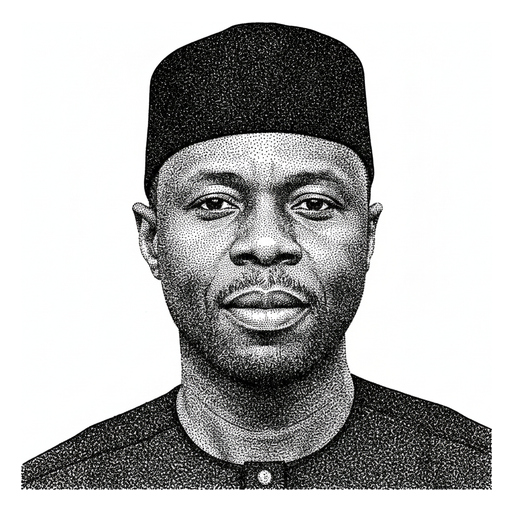
Put the rejected revised 2026 budget in force by decree on November 19th. Pastef struck him from its rolls on November 17th.7
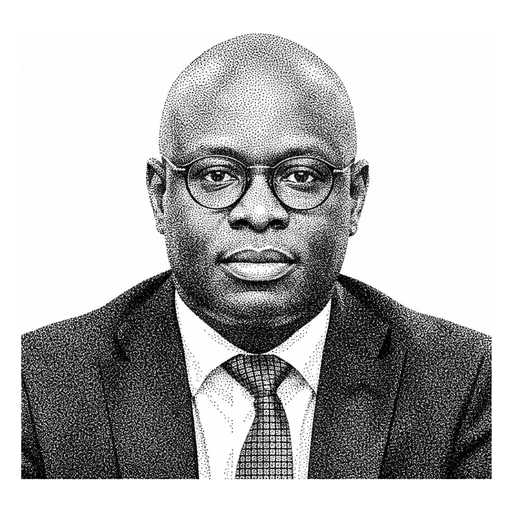
Leads the majority party in the Assembly. Called his split with Faye "definitive" on November 14th and ruled out a government of national unity.13
Told deputies in the 2027 budget debate: "On a day-to-day basis, this country is teetering on the brink of disaster."4
Approves the loan. It normally decides by consensus and sometimes by a vote weighted by each member's quota.3
Has not yet been formed, the IMF said on November 12th. Financing assurances from Senegal's partners are one of the Board's conditions.2
We add each shock to the quiet path twice and see where the answer ends each time. When both tries agree, the result is firm. When they differ, it is uncertain. The quiet path is the one with no new shock.
- changes it both times
- Both tries ended on a different level from the quiet path.
- changes it one time in two
- One try changed the answer and the other did not. Treat this shock as uncertain.
With no new shock, the Board approves before the year ends. A quiet spell with no deal still leaves the vote for later. Kozack said the Board first needs a budget framework and financing assurances from Senegal's partners.2
- Seydou Ndiaye, a financial economist in Dakar, to Businessfront
- "Without a budget that parliament will pass, Senegal cannot prove to the IMF that it can manage its money."9
- Ecofin Agency
- The timetable shown to creditors on October 6th called for Board approval in November. As of November 19th, the Board had not approved the programme.6
- Leeuwner Esterhuysen, senior economist at Oxford Economics Africa
- Said the longer the standoff lasts, the nearer both sides come to extreme options, such as a no-confidence vote or dissolving the Assembly.8
- This report
- They may be right. The run's path with no new shock assumes the IMF accepts the decree budget, and no stored page shows the Board has said so.
Each track adds one shock to the path with no new shock. It shows the level where the result then ends.
Overstated
Businessfront says proper parliamentary procedure closes off any shortcut. Its own report notes the IMF asks for a budget within Senegal's legal framework, not a vote by any one body. It is right that the Assembly's numbers are hard.
Understated
Financing assurances are one of the Board's three conditions. Kozack said on November 12th that the committee had not been formed. In the run, a formed committee by December 20th points to a yes in time.
Ecofin puts the Assembly's deadline on the 2027 budget around December 11th. After it, Article 68 lets the president enact the budget by decree, as he did on November 19th.
- Yes
- Rival readings of the decree, or a late deal between Faye and Sonko.
- No
- A split in Pastef, or a quiet deal then a formal vote.
- Yes
- No new shock, a split in Pastef, or a quiet deal.
- No
- The Board waiting for the new year, a late deal, oil money meeting short reserves, or new hidden debt.
- Yes
- No new shock, or a quiet deal.
- No
- The Board waiting for the new year, oil money meeting short reserves, or new hidden debt.
- Yes
- New hidden debt, or a stall spreading to other IMF programmes.
- No
- No new shock, or a quiet deal.
- Yes
- No new shock, or a quiet deal.
- No
- The Board waiting for the new year, new hidden debt, or rival readings of the decree.
- Yes
- A split in Pastef, or a quiet deal.
- No
- The Board waiting for the new year, or a stall spreading to other IMF programmes.
This page cites 13 sources. Every number on it is traced to one of them or to the run.
- How firm this is
- Every shock that moved the result moved it both times it was tried. A split in Pastef and a quiet deal kept a yes in time only one time in two. The quiet paths part ways: one ends in a yes, the other in a delay.
- Against the record
- The yes on the path with no new shock rests on the IMF accepting a decree budget. Kozack's words leave room for that. The missed November timetable argues the other way.
- Sources
- IMF statements and transcripts, Reuters, Bloomberg, Ecofin, DNE Africa, IntelliNews, AFP and Businessfront, all stored on November 23rd, 2026.
- What we left out
- No stored page gives a Board date or a Paris Club statement on the creditor committee. Reports differ on the November 18th tally, so we print none. No stored page reports a financial interest of any decider in the outcome. We print no past cases, since no stored page supports them.
- A real result can be one we did not test.
- IMF Reaches Staff-Level Agreement on an Extended Credit Facility Arrangement with Senegal
- Press Briefing Transcript: Julie Kozack, Director, Communications Department, November 12th, 2026
- How Does the IMF Make Decisions?
- Senegal president implements 2026 budget changes by decree amid impasse with parliament
- Senegal revised budget enacted by decree after MPs rejected it
- Senegal Needs CFA 6.6 Trillion in 2027 Under Budget Parliament Refuses to Authorize
- Senegal's Pastef strikes Faye from party rolls as president enacts rejected budget by decree
- Senegal budget dispute deepens as committee seeks bill withdrawal
- Can a Faye-Sonko duel stall Senegal's $2.2 billion IMF loan deal?
- IMF says Senegal must follow strict budget rules to unlock $2.2 billion loan
- Senegal Continues to Pay Down Debt as Budget Row Risks IMF Deal
- IMF Reaches Agreement With Senegal On New $2.2 Bn Loan Programme
- Senegal budget crisis deepens as Sonko declares split with Faye final
Built on brief 79: Senegal's $2.2 billion IMF loan still hinges on an unfinished creditor committee