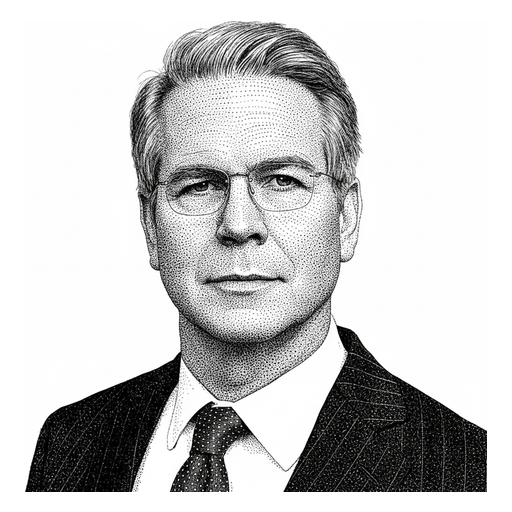
 United States
Scott Bessent
US Secretary of the TreasuryAnnounced the Los Huistas and Los Mendoza actions on November 13th, 20266.
What to watch
- Further Guatemala listings under E.O. 13224
Source: Expediente Público, September 18th, 20252
The US Treasury has given an old listing a new legal basis. Los Huistas is a drug trafficking group based in Huehuetenango, the Guatemalan department on the border with Mexico3. The Treasury's Office of Foreign Assets Control (OFAC), its sanctions office, first listed it on March 18th, 2022 under a drug order, Executive Order (E.O.) 140594. On November 13th, 2026, OFAC amended the entry to cite the counterterrorism order, E.O. 13224, with the line "Secondary sanctions risk"5. The entry now also links the group to the Sinaloa Cartel and the Cartel de Jalisco Nueva Generacion (CJNG)5. Treasury Secretary Scott Bessent announced it with a new listing of a second group, Los Mendoza, while Secretary of State Marco Rubio named a third, Los Lorenzanas, a Foreign Terrorist Organization (FTO)6,7.
The change reaches banks outside the United States. Under the counterterrorism order, OFAC can bar or restrict the US correspondent account of a foreign bank that knowingly conducts a significant transaction for a listed person8. A correspondent account is the account a foreign bank holds at a US bank to move dollars. A Washington sanctions firm, Fesenko Law, says the tag works mostly through banks' own screening: they turn payments down rather than risk a finding9.
The exposure sits with companies tied to the group, and it runs forward. By our reading of the order's text, the penalty attaches to dealings with a person blocked under that order, so it covers business done from November 13th on, not payments cleared before it8. The risk is highest for banks and payment firms in Guatemala and southern Mexico that serve the group's businesses. InSight Crime, a research group on organized crime, says those include hotels and construction companies3.
OFAC keeps the Specially Designated Nationals (SDN) list, the register of people and groups whose US assets are blocked6. The November 13th notice added Los Lorenzanas and Los Mendoza as new entries and changed one existing entry, Los Huistas5.
| Part of the entry | Before November 13th, 2026 | After |
|---|---|---|
| Legal basis | Drug order E.O. 14059 only | E.O. 14059 and counterterrorism order E.O. 13224 |
| Secondary sanctions line | None | Section 1(b) of E.O. 13224, as amended by E.O. 13886 |
| Links named | None | Sinaloa Cartel and CJNG |
| Addresses | Santa Ana Huista, San Antonio Huista and La Democracia, Huehuetenango | Unchanged |
The notice lists no change to the entries OFAC made in 2022 for the group's people and companies10,5. One of them is a coffee trader in La Democracia, Compradores y Exportadores de Cafe Captzin10. Treasury says Los Huistas has been active since the 1990s and moves cocaine from South America through Mexico toward the United States6. Its November 13th release also describes the group's protection network:
Los Huistas DTO’s longstanding ties to local businessmen, law enforcement officials, and politicians have enabled it to dominate the underworld in parts of northwestern Guatemala.
US Department of the Treasury6
Section 1(b) of the counterterrorism order was added in 20198. It lets the Treasury Secretary prohibit or put strict conditions on the US correspondent account of a foreign financial institution8. The test is that the institution knowingly conducted or helped a significant transaction for a person blocked under the order8. Treasury's November 13th release repeats that foreign banks dealing with the groups risk that penalty6. Fesenko Law Offices, a sanctions firm in Washington and New York, wrote on November 7th about how the line works in practice9:
In practice, OFAC secondary sanctions rarely work through formal Treasury findings against a bank. They work through the bank’s own risk appetite.
Fesenko Law Offices9
Timing. The order reaches transactions for a person blocked under that order. Los Huistas was blocked under it only from November 13th, 2026, so by our reading the new exposure covers dealings from that date8,5. Payments a bank cleared earlier fall outside it. A bank that keeps the relationship carries the risk from now on.
Fesenko Law also notes that the line appears only on listed persons, while companies owned 50% or more by blocked persons are blocked too and carry no line9. That gap matters for Los Huistas. InSight Crime describes a network of legitimate businesses the group uses to launder money, some of them under sanctions3.
On July 3rd, 2024, OFAC added the line "Secondary sanctions risk: See Section 11 of Executive Order 14024" to existing Russia-related entries11. On November 4th, 2026, it added "Secondary sanctions risk: See Section 2 of E.O. 13902" to entries under an Iran order12. Fesenko Law counts more than a thousand existing entries in the Iran update and notes that it blocked no one new9.
Approximate count by Fesenko Law
Source: Fesenko Law Offices, November 7th, 20269
Fesenko Law gives each figure as an approximation.
The Guatemala change is smaller and different in kind. It moved one group onto a new legal basis, where the Russia and Iran updates labeled entries already under the orders that carry the bank penalty5,11,12.
On June 25th, 2025, the Financial Crimes Enforcement Network (FinCEN), Treasury's anti-money laundering bureau, issued its first orders under new fentanyl laws13. The orders named two Mexican banks, CIBanco and Intercam, and a brokerage, Vector Casa de Bolsa, as of primary money laundering concern13. They prohibited certain transfers of funds involving the three firms13. FinCEN used a different law from the one behind the Guatemala tag. The result for the firms was a comparable loss of access to US dollar transfers13,8.
Assets, US$ billions
Source: US Department of the Treasury, June 25th, 202513
Treasury gives CIBanco as over $7 billion and Vector as nearly $11 billion.
Treasury's case against CIBanco cited one employee who in 2023 knowingly helped open an account to launder $10 million for a Gulf Cartel member13. It also cited more than $2.1 million in payments from 2021 through 2024 to Chinese firms that shipped precursor chemicals to Mexico13.
Huehuetenango borders the Mexican state of Chiapas. Borders: Natural Earth.
Sources: Office of Foreign Assets Control, November 13th, 20265; InSight Crime, May 15th, 20263; US Department of the Treasury, November 13th, 20266; BBC News Mundo, November 15th, 202616
United StatesAnnounced the Los Huistas and Los Mendoza actions on November 13th, 20266.
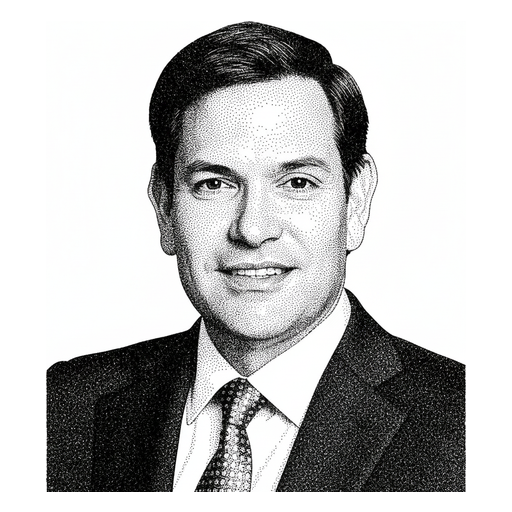 United States
Designated Los Lorenzanas a Foreign Terrorist Organization and said the US would not let these groups corrupt Guatemala's institutions7.
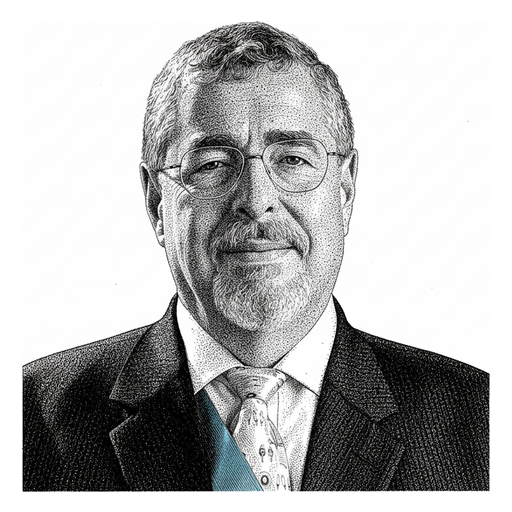 Guatemala
Said the designations fit existing security cooperation with Washington and changed none of its channels17.
 United States
Keeps the SDN list and amended the Los Huistas entry on November 13th, 20265.
President Arévalo told reporters on November 13th that the designation fits a security relationship already in place17. He cited 41 people captured this year on US extradition requests17. In his words, there were "not necessarily" any new elements in it17:
No hay elementos que sean nuevos necesariamente dentro de eso.
Infobae17
InSight Crime adds that arrests and sanctions have not visibly weakened the group: "There is, however, little to suggest its control of strategic territory or partnerships with major Mexican cartels have been compromised"3. US persons also faced the same legal bar on dealing with Los Huistas before November 13th as after it, since the group was already blocked4,6.
Our reply. Both points hold for the group itself. They hold less for the banks around it. The new line changes what a screening system shows a non-US bank, and Fesenko Law's account of the Iran update suggests banks react to that line by refusing payments9. The cost falls on legitimate firms that sit near the group.
Position. The November 13th amendment adds a counterterrorism basis and a named bank penalty to a group already blocked since 20225,4. We expect its main effect to come through bank screening, as Fesenko Law describes for the Iran update, rather than through a formal Treasury action against a bank9.
Confidence: medium. The legal text is clear8. The size of the screening effect is an inference from one law firm's account of a different program9.
What would change it. A Treasury or FinCEN action naming a Guatemalan or Mexican financial firm over these groups would show the penalty in use. Silence through mid-2027, with no new listings of the group's people or companies, would point to a mainly symbolic change.
| Reader | What to do |
|---|---|
| Banks and payment firms outside the US | Re-screen customers in Huehuetenango and the border corridor against the amended entry and its links. Review relationships with companies tied to the group's businesses5,3. |
| Private equity (PE) and venture capital (VC) firms | Ask portfolio companies in Guatemala's border departments who their local partners and landlords are. |
| Corporates | Check transport and storage suppliers in the departments Treasury names against the SDN list6. |
| Law firms | Advise that the FTO designation of Los Lorenzanas brings the criminal material support statute into play from November 16th, 202615,18. |
Confidence in the mechanism is high: the order's text sets out the bank penalty8. Confidence in the horizon is low: Treasury publishes no timetable for follow-up listings.
Analyst assessment. Each call is scored once its date passes.
OFAC adds 'Secondary sanctions risk' under E.O. 13224 to at least one individual or company entry it ties to Los Huistas, published on OFAC's Recent Actions page
Treasury or FinCEN publishes an action naming a Guatemalan financial institution over dealings with Los Huistas, Los Mendoza or Los Lorenzanas