 United States
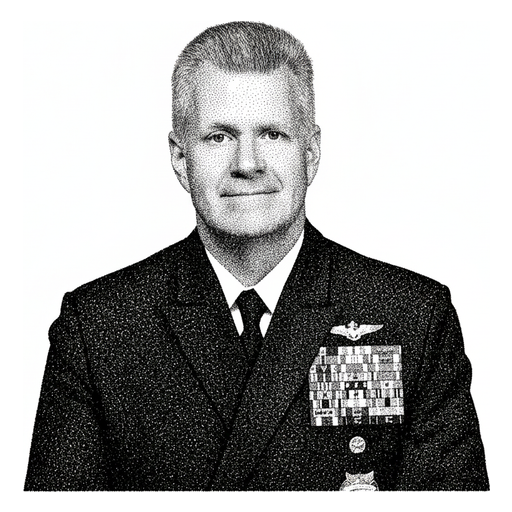
Samuel Paparo
Admiral, commander of US Indo-Pacific CommandTold the Senate in April 2025 that the sea and air logistics force was about 60 percent of the requirement1.
What to watch
- INDOPACOM posture testimony in the spring
Source: airandspaceforces.com, April 14th, 20251
The US Army spent early November rehearsing a Pacific war fought from many small, moving positions. The 25th Infantry Division, the Army's Hawaii-based division, flew HIMARS rocket launchers by C-17 transport aircraft to Kwajalein Atoll in the Marshall Islands for a live-fire mission on November 13th, 20262. Paratroopers of the 11th Airborne Division flew nearly 3,000 miles from Alaska and jumped into Hawaii3. About 10,000 personnel took part in the rotation3.
The approach runs on aircraft, and the aircraft are short. Adm. Samuel Paparo, who leads US Indo-Pacific Command (INDOPACOM), told the Senate in April 2025 that the sea and air logistics force was about 60 percent of the requirement1. Moving one Patriot air defense battalion out of his region took 73 C-17 loads, he said1.
Bases still matter, and the drills depend on them. Congress has appropriated over $8.9 billion for new military construction at Indo-Pacific sites since fiscal year 2020, the Congressional Research Service reported in 20234. Every rehearsal above started and ended at a fixed airfield. For investors and contractors, the budget questions sit in the aircraft fleet and in access agreements, more than in any single new base.
The Joint Pacific Multinational Readiness Center (JPMRC) is US Army Pacific's training center, run across Hawaii, Alaska and sites elsewhere in the region2. Its rotation 27-01 brought together the Army, Air Force, Navy and Marine Corps with allied troops3. Forces from the Republic of Korea, Singapore, France, New Zealand, Japan and the Maldives took part5.
United StatesTold the Senate in April 2025 that the sea and air logistics force was about 60 percent of the requirement1.
 United States
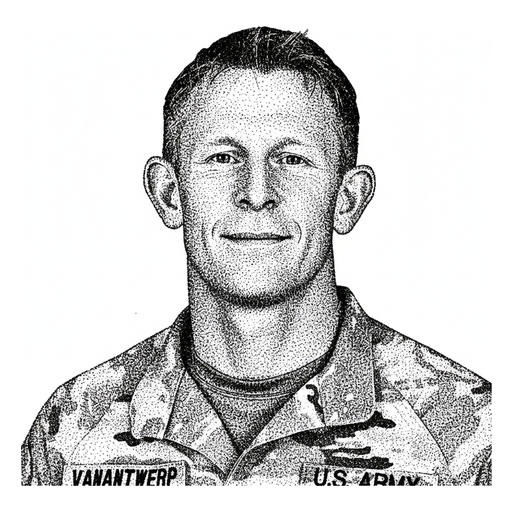
Leads the division whose launchers flew to Kwajalein Atoll for the November 13th live fire5,2.
Portraits after photographs. Jeff VanAntwerp: photo published by home.army.mil.
A HIMARS rapid infiltration flies a rocket launcher to a remote airstrip, fires, and loads it back onto the aircraft before an enemy can fire back, the Army says2. "Operating here, the runways are usually very limited," said 1st Lt. Cameron Richardson, a platoon leader in the firing battalion2.
The paratroopers rigged their parachutes in flight during a flight of nearly 3,000 miles, so they could land ready to fight3. Col. Matthew Adamczyk, the division's deputy commander for operations, said the drill tested whether the division can "project a battalion task force or larger from Alaska"3.
Hawaii and Alaska lie east of this map. Borders: Natural Earth.
Sources: army.mil, November 16th, 20262; militarytimes.com, October 22nd, 20267; congress.gov, June 6th, 20234
Paparo told the Senate Armed Services Committee on April 10th, 2025: "We have … significant gaps in sealift"1. He said the tanker fleet was "below what we need"1. INDOPACOM fills part of the gap by hiring commercial tankers, he said, but only military ships and aircraft can go into a combat zone1.
Robert Owen is a retired Air Force colonel who flew C-130 transports and served at Air Mobility Command. In a Mitchell Institute paper, he wrote that the airlift fleet "may not be sufficient" in a war with a peer8. The Air Force's 52 C-5M Super Galaxies, its largest transports, average 37 years old, he notes8.
Years
Source: businessinsider.com, December 7th, 20258
As stated by David Allvin, then Air Force chief of staff, cited by Business Insider.
Tankers carry the same risk. The Government Accountability Office (GAO), the auditing arm of Congress, found that the KC-135 and KC-46A tanker fleets missed their availability standards in fiscal years 2019 to 20259. Small, scattered units need more of these flights, not fewer: dispersed fighter teams could depend almost entirely on C-17s for their fuel and weapons, Owen writes8.
Since 2011 the United States has negotiated access to 12 new defense sites in the Philippines and Australia4. It has also built new installations in Japan and Guam, the Congressional Research Service (CRS), the research arm of Congress, reported in 20234. Congress appropriated over $8.9 billion for new military construction at Indo-Pacific sites since fiscal year 20204.
The forward sites are where the mobile launchers go. This year's Keen Sword exercise sent Army HIMARS to a Japanese island only 150 miles east of Taiwan, Military Times reports7. In April, US soldiers and airmen flew one to Itbayat, only 100 miles from Taiwan7. The 25th Infantry Division's troops are scheduled for forward deployments to the Philippines in the spring and summer, the Army says2.
Miles
Source: militarytimes.com, October 22nd, 20267
During the Balikatan exercise in April 2026, the People's Liberation Army (PLA) Southern Theater Command sent warships and aircraft for drills around the Philippine island of Luzon, USNI News reported10. A surface group led by the destroyer Zunyi sailed east of Luzon10. Ben Lewis, founder of PLATracker, a group that monitors Chinese military activity, told USNI News:
The PLAN’s counter-exercise activity around Balikatan has stepped up markedly this year, and the surface action group operating east of Luzon is the clearest expression of that
news.usni.org10
Lewis said such a group is "capable of holding U.S. reinforcement routes from Guam and the wider Pacific at risk"10. Those routes are the ones a force that disperses by air and sea must keep open.
Defence Agenda, a defense analysis site, argues that access matters only when it produces repeated, timely deliveries to the force9. A distributed network may offer more options, but it can also raise the need for local facilities and support staff, it writes9. On that reading the November drills are a proof of concept and not a change in posture.
The Army's own reports support part of this. Every flight began and ended at a fixed airfield, and Richardson's crews worked around limited runways2. The drills also used munitions and aircraft moved in peacetime, with no enemy fire on the airfields.
Our reply is that both readings point to the same budget lines: the aircraft fleet and the access agreements.
Confidence: medium. The doctrine is documented in the Army's own reports, and the logistics shortfall comes from INDOPACOM's commander and the GAO3,1,9. The weakest link is timing: Paparo's figure is from April 2025, and no newer public figure was found.
| Reader | What to watch |
|---|---|
| Private equity and venture capital (PE and VC) firms | Suppliers of airlift maintenance, tanker sustainment and expeditionary airfield equipment, where the shortfall is documented1,9. |
| Family offices | Exposure to Guam, Japan and Philippine construction tied to the $8.9 billion military construction line4. |
| Corporates | Contracts for runways and fuel storage at access sites in the Philippines and Australia4. |
| Law firms | Host-nation access agreements and the rules on what US forces may store or fire from allied territory. |
Mechanism: high, because the Army publishes each step of the doctrine. Horizon: medium, because exercise schedules can slip.
Analyst assessment. Each call is scored once its date passes.
An army.mil report confirms that JPMRC 27-02 took place in the Donnelly Training Area in Alaska
US Army or Marine Corps HIMARS launchers take part in a live-fire or dry-fire drill in the Philippines, reported by army.mil or the Philippine armed forces