85%
UGT and CCOO hold the general strike in Spain that they called, as reported by Spanish and international news agencies.
Source: The Economic Times, October 21st, 20261
Day counts are worked out from today's date when the page opens.
Protests over living costs have spread from France to Italy, Spain, Portugal, Belgium and Albania, and no source reports a concession on prices. The marches began as student demands in France in mid-September and now draw unions and public-sector workers2. Reuters reports that gas prices have jumped about 140% and diesel prices have doubled3.
Governments are holding the line while far-right parties gain. France restricted protests from October 22nd4. Spain's prime minister called a snap election for November 29th5. Marine Le Pen, the frontrunner for France's April 2027 presidential election, has made fuel prices a central plank of her campaign3.
The risk for investors is a political one that models built around France alone will miss. The same grievances run in Spain and Italy. General strikes and an election in November will show whether the movement fades or hardens1.
Spain's prime minister called a snap election for November 29th after his housing measure failed in parliament5. France votes for a president in April 2027, and Marine Le Pen is the frontrunner2.
Prime Minister Sebastien Lecornu said 1,200 people were arrested and 150 police officers hurt on October 17th6. The government largely avoided violence on October 24th with heavy security and bans in some cities2.
Roadblocks by truckers, farmers and steelworkers disrupted transport in parts of southern Italy and contributed to local fuel shortages3.
France imposed unprecedented restrictions on the right to protest from October 22nd4. No source reports new rules aimed at companies.
Reuters reports that Macron's government faces a ballooning budget deficit and pressure from bond markets3.
Confidence on the mechanism is high: the grievances in the sources overlap, and unions have called dated strikes. Confidence on the horizon is medium, because a single event such as the eviction that set off Spain's housing protests can start a new wave3.
Analyst assessment. Each call is scored once its date passes.
UGT and CCOO hold the general strike in Spain that they called, as reported by Spanish and international news agencies.
The People's Party wins the most seats in Spain's snap election, per the official count.
France's Interior Ministry counts more than 300,000 people at a single national protest day.
The operational record is thin. France restricted the right to protest from October 22nd4. Spain's prime minister called a snap election after parliament rejected his housing measure5. Italy's biggest union federation, CGIL, has called a general strike for November 20th1.
Source: Le Monde, October 26th, 20264
The October 17th figure is from Al Jazeera, citing the Ministry of Interior6. The CGT union put the October 24th figure at 800,0004.
Restricted, not repealed: the French measures limit protest routes and cities and do not ban the movement.
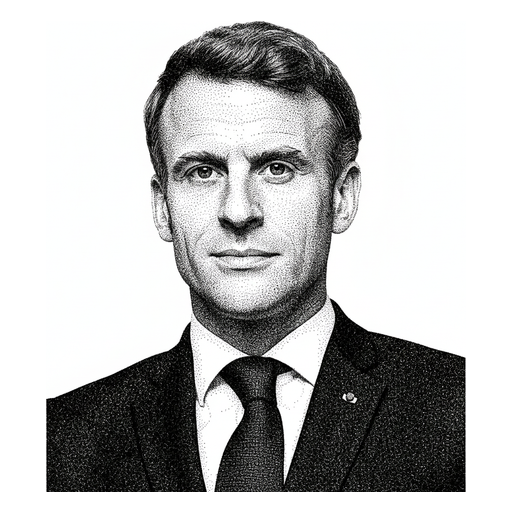 France
Acknowledged the protesters' "legitimate demands" while condemning those responsible for violence and looting3.
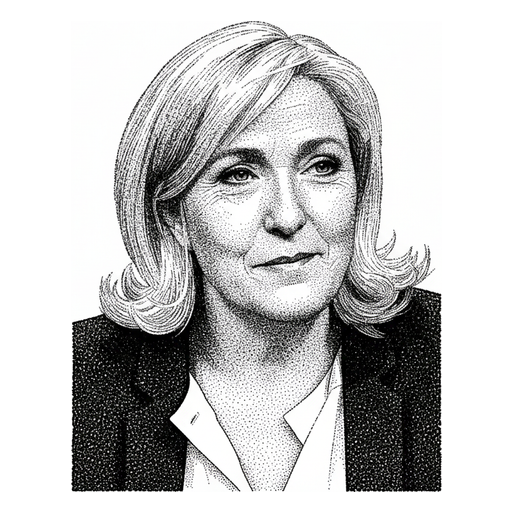 France
Formally launched her third presidential campaign and has made fuel prices a central plank. Her proposal to cut value-added tax on fuel has drawn broad public support2,3.
 Spain
Called the snap election for November 29th, betting that protesters will back him against the People's Party and Vox5.
Portraits after photographs. Pedro Sanchez: Pool Moncloa/ Carlos Spottorno de las Morenas, via Wikimedia Commons, Attribution.
Gilles Ivaldi, a political scientist at Sciences Po, says concerns about purchasing power have become a major driver of populist politics across Europe3. In Germany, the Alternative for Germany leads national polls and pushes to restore energy ties with Russia, Reuters reports3. Energy price inflation in Germany reached 14.9% in September3.
The Washington Post links the unrest to slow growth, higher costs of groceries, housing and fuel driven up by the U.S. war with Iran, and a young generation disillusioned by the status quo8. On October 17th Italy's prime minister, Giorgia Meloni, wrote on X:
Demonstrating is a right. Setting our cities ablaze is not
Al Jazeera6
Confidence: medium. Nine sources report the facts above, and the claims on turnout, strike dates and election dates come from official counts, union calls and agency reports.
The strongest alternative reading comes from the Christian Science Monitor, which argues the unrest is a sign of failing institutions, and that European voters seem unwilling to make the sacrifices economists say are necessary9. On this reading the protests will not fade after a price concession, because they are about trust and not only prices.
What would make this assessment wrong: a large drop in fuel and diesel prices that ends the marches. A violent event that spreads the movement to a country with no unrest so far would also change it.