20%
The Federal Open Market Committee (FOMC) raises the federal funds target range above 3.75% to 4.00% at its October meeting, as published in the Federal Reserve's policy statement.
The market's chance of a hike on 28 October has swung widely this month. Fed funds futures priced it near even after the September price data, then marked it down after the chair declined to guide1,2,3.
Sources: MarketWatch (via Morningstar), October 17, 20263; Benzinga (via Yahoo Finance), October 2, 20261; Reuters, October 14, 20262
Market-implied probabilities from fed funds futures as reported on each date; the 14 October reading was reported as around even odds.
The Federal Reserve decides on 28 October whether to raise rates again or hold at 3.75% to 4.00%, and the market expects a hold. Fed funds futures put the chance of a hike at 17% on 17 October3. In a Reuters poll taken from 16 to 20 October, 94 of 100 economists expected a hold, and all 100 expected a hike in December4.
Chair Kevin Warsh has declined to steer the market, and the data since September have run hot. Consumer prices rose 3.7% in the year to September, up from 3.4% in August, and producer prices rose 6.3%, the largest 12-month increase since December 20225,6. Warsh said on 16 October that the Fed is "not in that business anymore" when asked to preview the decision7. The Fed's blackout on public comment began the next day8.
The exposure sits with anyone who must lock a rate before 28 October. The 10-year Treasury yield was 5.13% on 21 October, after reaching 5.31% on 5 October9. The average 30-year fixed mortgage rate was 7.40% in Freddie Mac's survey of 15 October10. A hike against current pricing would reprice short-term rates first, and the European Central Bank (ECB) and the Bank of Japan (BoJ) decide within the following two days11.
Most participants at the September meeting judged that another increase would likely be appropriate by year end12. Vice Chair Philip Jefferson and New York Fed President John Williams have since said there is time to see more data13,14. Warsh declined to endorse or push back on those comments7.
The 2-year Treasury yield ran from 4.82% on 14 October to 4.74% on 16 October as hike bets rose and fell9. Longer-dated yields reached multi-decade highs earlier in October before retreating nearly 25 basis points as the chance of an October hike slipped4.
The Mortgage Bankers Association (MBA) reported its 30-year fixed rate at 7.41%, with purchase applications 18 percent below last year's pace16. Freddie Mac's 30-year average was 7.40% as of 15 October10.
The meeting ends on 28 October and the midterm elections are on 3 November3. President Donald Trump said Warsh should have voted against the September hike, while saying he retains confidence in him17. Former BofA Securities chief economist Ethan Harris called the election a small factor for the Fed3.
The ECB decides on 29 October and the BoJ on 30 October, after the Fed on 28 October11. A Fed surprise on the Wednesday evening could become the starting point for both, according to Admirals' preview of the week11.
Confidence on mechanism: medium. The case for a hike is documented in the price data and the September minutes5,12, and the case for waiting is documented in the public remarks of the chair's two closest colleagues13,14. What the chair himself wants is not on the record7. Confidence on horizon: high. The decision is announced at 14:00 Eastern Time on 28 October11.
Analyst assessment. Each call is scored once its date passes.
The Federal Open Market Committee (FOMC) raises the federal funds target range above 3.75% to 4.00% at its October meeting, as published in the Federal Reserve's policy statement.
The FOMC does not raise the federal funds target range at its October meeting, leaving it at 3.75% to 4.00% or lower, as published in the Federal Reserve's policy statement.
After the FOMC's December meeting, the upper bound of the federal funds target range is 4.25% or higher, as published in the Federal Reserve's policy statement.
The 10-year yield in the US Treasury's Daily Treasury Par Yield Curve Rates closes above 5.31%, its highest close so far in October, on any trading day.
The CPI rose 0.6% in September and 3.7% over 12 months, up from 3.4% in August5. Gasoline rose 9.1% in the month and accounted for over half of the monthly increase5. Prices excluding food and energy rose 0.3%, as they did in August, and 2.6% over the year, up from 2.4%5. Economists polled by Reuters had expected 2.5% for that core measure2.
The breadth worried some forecasters. Omair Sharif of Inflation Insights wrote that the surprise was "broad-based", and software prices rose 28% from a year earlier, the largest increase on record2. The producer price index (PPI) for final demand rose 6.3% in the 12 months to September, with goods up 9.8% and services up 4.9%6.
Remarks moved the price as much as data did. Futures-implied odds of an October hike fell from 64% to 28% in the week Jefferson and Williams spoke1, and to about one in four after the September jobs report15. They rose to around even odds after the CPI report2, and fell to about 15% after Warsh's remarks in Bangkok21. No Fed decision or new instrument moved between those dates.
Percent, before seasonal adjustment
Source: U.S. Bureau of Labor Statistics, October 14, 20265
Bureau of Labor Statistics (BLS), Consumer Price Index news release of 14 October 2026.
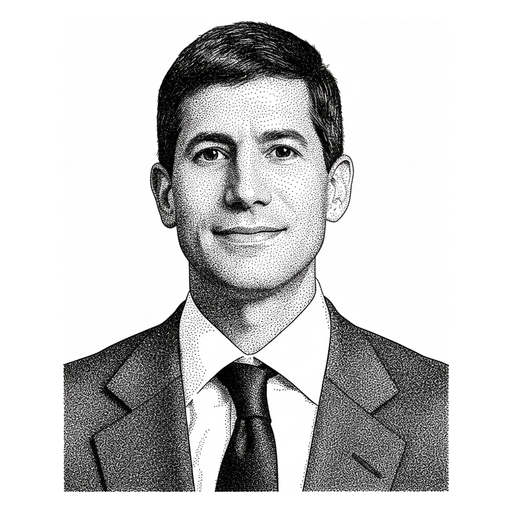 FOMC
Led the September hike and has refused to preview decisions: "It's a new chapter at the Fed, and we're not in that business anymore"7. Said in Bangkok that the world has broadly conformed to the Fed's expectations21.
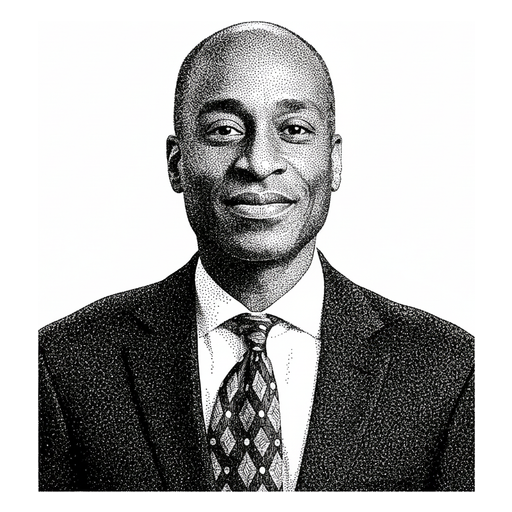 FOMC
Supported the September hike but said future moves should rest on trends in the data and that the committee's judgement may take more time13.
 FOMC
A permanent voter, he said one more increase "may be appropriate late this year" and saw no need for urgency14. On 13 October he said he sees no reason yet for hikes in 202725.
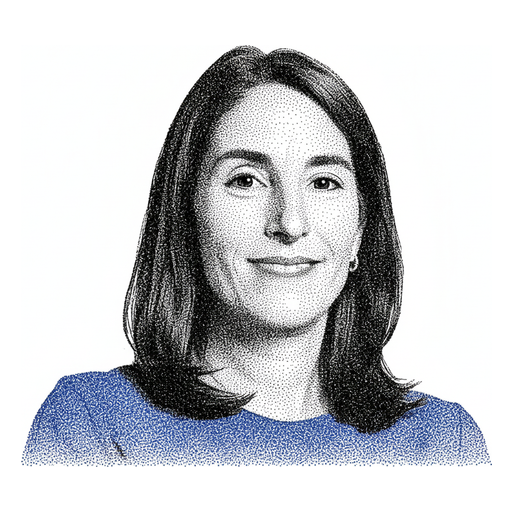 FOMC
A 2026 voter who dissented for a hike in July, saying she did not see policy as "appropriately restrictive"26.
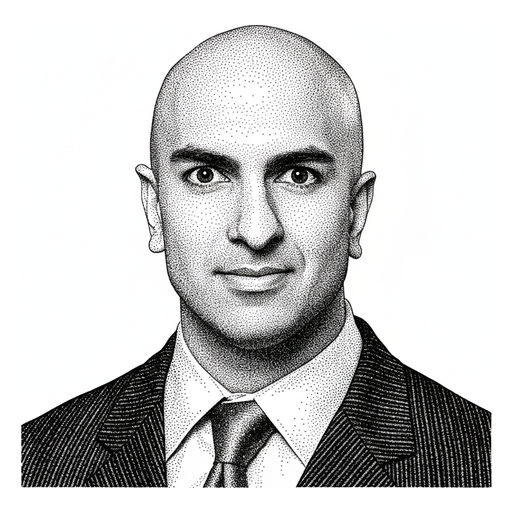 FOMC
A 2026 voter who also dissented for a hike in July22. Said on 30 September that he had "no strong view" on an October move, according to Roic News27.
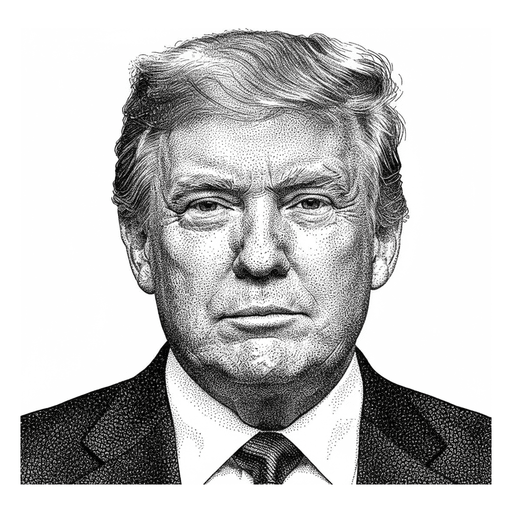 White House
Said Warsh should have voted against the September hike, while keeping confidence in him and blaming the wider board17.
The first issue is how the Fed communicates. Warsh has rejected the convention of telling markets what he plans to do before the committee meets, and CNBC's analysis argues investors may be relying on old assumptions that his deputies speak for him21. A surprise after Jefferson and Williams were seen to guide the market could dent their credibility and make decisions harder to predict, the same analysis says21.
The second is the cost of money. The 2-year yield moved between 4.74% and 4.84% in October as hike bets swung9. Mortgage rates topped 7% at the end of September15 and stood at 7.40% and 7.41% in the latest Freddie Mac and MBA surveys10,16. The higher-rate environment has cooled the housing market this autumn, according to the MBA's deputy chief economist, Joel Kan16.
Percent, daily par yield curve rate
Source: U.S. Department of the Treasury, October 21, 20269
US Department of the Treasury, Daily Treasury Par Yield Curve Rates.
The third is abroad. The ECB raised rates in September for the second time this year, and its policymakers saw a further move as possible as soon as October, according to sources cited by Reuters28. Five central banks announce decisions within about 50 hours from 28 October, and the dollar-yen rate has stayed near 158 even after the BoJ's September hike11. The Straits Times carried the Reuters report that Fed policymakers were leaning against an October hike29, a reminder that Asian markets read Fed speakers as guidance even when the chair does not.
High
High
Medium
Medium
Medium
| Reader | What to do |
|---|---|
| Private equity (PE) and venture capital (VC) firms | Check floating-rate debt in portfolio companies that resets in November. Treat a December hike as the base case in models, and an October hike as a stress case rather than a remote one. |
| Family offices | Review short-duration bond and cash allocations before 28 October. A hold with a firm statement would leave December pricing in place; a hike would lift short yields first. |
| Corporate treasurers | Fix rates or hedge borrowing that prices around the meeting. Avoid issuing in the two days after 28 October, when the ECB and BoJ also decide. |
| Mortgage lenders | Shorten rate-lock windows that straddle 28 October and price pipelines for a quarter-point move in short rates. |
| Bond desks | Size positions for the gap between futures pricing and the committee's split. The 2-year yield moved most on this month's shifts in hike odds. |
| Law firms | Review interest-rate clauses and reset dates in financing documents due in the fourth quarter, and flag rate-sensitive conditions in pending transactions. |
Confidence: medium. The record is strong on the data, the minutes and the views of Jefferson and Williams, from primary sources and several independent reports5,12,13,14,4. It is silent on Warsh's own view, which matters most7.
Primary assessment. The committee holds at 3.75% to 4.00%4 and points to December, as the September projections and the minutes imply30,12. The chair's two closest colleagues argued for waiting13,14, payroll growth slowed in September15, and core inflation rose 0.3% in each of the last two months5. Warsh's only comment since the data, that the world has broadly conformed to the Fed's expectations, is consistent with the September projections, which left room to pause in October and hike in December21. Before the CPI report, JPMorgan's Michael Feroli wrote that it would take a very strong CPI to make October live15; core came in one tenth above forecast2. Nearly 60% of forecasters in the Reuters poll see the rate peaking at 4.00% to 4.25%4.
Strongest alternative. The committee hikes. Warsh set out a hawkish reading at Jackson Hole and called the 2 percent goal fixed23,21, core CPI beat forecasts2, and core PCE inflation for September is implied at 3.1%21. Three of this year's voters dissented for a hike when the committee held in July22.
Where we diverge from consensus. Futures and the economists' poll treat Jefferson and Williams as speaking for the chair21,4. Under Warsh that link is untested, so we put the chance of a hike above market pricing, though well below the coin-flip view.
The September Summary of Economic Projections put the median federal funds rate at 4.1% for the end of 2026, against a current midpoint of 3.875%30,11. The same table puts median PCE inflation at 3.7% and core PCE inflation at 3.4% for 202630. In August, PCE prices rose 3.4% from a year earlier and 3.0% excluding food and energy31.
In September all participants supported the increase, many on risk-management grounds as insurance against persistent inflation, and several said the policy rate was not restrictive or only mildly restrictive12. The vote was 12 to 0, with Hammack, Kashkari, Logan and Anna Paulson among the voting presidents and former chair Jerome Powell still voting as a governor12. Governor Michael Barr has argued for further policy adjustments14, while Paulson called her vote to hold in July "not a close call"32.
The Fed's price-stability objective of 2 percent, as measured by the personal consumption expenditures (PCE) price index, is a firm, fixed target.
The blackout is a Fed convention: officials do not speak publicly on policy in the period before a meeting. Warsh's remarks in Bangkok were the last from any Fed official before it began on 17 October8. The December meeting on 8 and 9 December carries new projections33.