40%
The Council of the EU adopts the 22nd sanctions package against Russia, published in the Official Journal of the EU
Source: BM.ge, November 25th, 20261
Day counts are worked out from today's date when the page opens.
The European Commission, the EU's executive, proposed its 22nd package of sanctions against Russia on November 23rd, and Kyrgyzstan is its newest country target. Commission President Ursula von der Leyen presented the package2. The 27 member states decide, and every sanctions decision needs all of them3,4. Kyrgyzstan is a Central Asian state that shares a customs union with Russia5. It would be the first country placed under a ban, created in July, on EU dealings with a country's crypto platforms, according to the Kyiv Independent and EU Perspectives3,4. Georgia's Kulevi refinery is the other case: the Commission proposes to lift its listing6.
Brussels is moving from listing companies to listing countries, and it is pairing the threat with an exit. In April the EU banned some machine-tool and telecom exports to Kyrgyzstan, its first use of a country-level anti-circumvention tool5. An EU official told reporters that Bishkek dismissed private warnings3. Kulevi switched from Russian to Libyan crude after a conditional listing, and the Commission now says its commitments were honoured4,1.
The ban is still a proposal, and its reach stops at EU operators. EU sanctions bind people and firms under EU jurisdiction, not conduct with no EU link7. Kyrgyzstan says 52 companies have ceased operations under its own campaign8, but it has not named them9. Russia, for its part, planned to legalise crypto payments in foreign trade from July 1st, 2026, according to BeInCrypto10.
The 21st package lets the EU ban transactions with crypto providers and platforms in a third country that persistently fails to prevent circumvention11. No country was listed when it was adopted11.
The Commission has set up a Crypto Sanctions Task Force to work on crypto and payment networks in Russia and third countries12.
President Sadyr Japarov condemned the April measures as double standards that contradict the EU's partnership with Central Asia13. His government now says it is cooperating8.
Kyrgyz virtual-asset turnover exceeded $31 billion in 2025, according to official data cited by OSW13. Up to 90% of transactions convert traditional currencies, including the rouble, into tokens13.
Remittances from migrants in Russia were 17.7% of Kyrgyzstan's GDP in 202413, so the wider economy stays tied to Russia whatever the EU decides.
Mechanism: high confidence. The tool exists in law since July14, and the Commission has said whom it wants to use it on3. Horizon: medium confidence. The 21st package passed six weeks after it was announced, after objections pushed its approval back twice7. Greece and Austria were among the last to lift theirs7. Brussels aims for a deal in December15.
Analyst assessment. Each call is scored once its date passes.
The Council of the EU adopts the 22nd sanctions package against Russia, published in the Official Journal of the EU
The adopted 22nd package lists Kyrgyzstan under the third-country ban on crypto-asset services, published in the Official Journal of the EU
The Council removes the Kulevi refinery from the transaction-ban list before that ban takes effect, published in the Official Journal of the EU
The 21st package, adopted on July 23rd, 2026, introduced the possibility of a full third-country ban on crypto-asset services14. The Council said it would let the EU ban any transaction between an EU operator and any crypto provider used by Russia14. It also extended transaction bans to 14 crypto platforms in Georgia, Panama, the UAE, the Marshall Islands, Kyrgyzstan and Belarus14.
Proposed, not law. The Commission's text has not been published. The Kyrgyz target is reported by the Kyiv Independent from an anonymous EU official3. Von der Leyen's own statement names no country12.
Kyrgyzstan has acted at home. As of October 20th, 2026, 52 legal entities had ceased operations, 57 more were in compulsory liquidation and state banks had closed more than 240 accounts, according to Economy and Commerce Minister Bakyt Sydykov8. He said the figures cover all sanctions-risk work, not only the A7 payment network and its rouble token A7A58.
Status reported by Bishkek on October 21st, 2026
Source: Yorktown Institute, November 13th, 20269
The government has not named any of the companies.
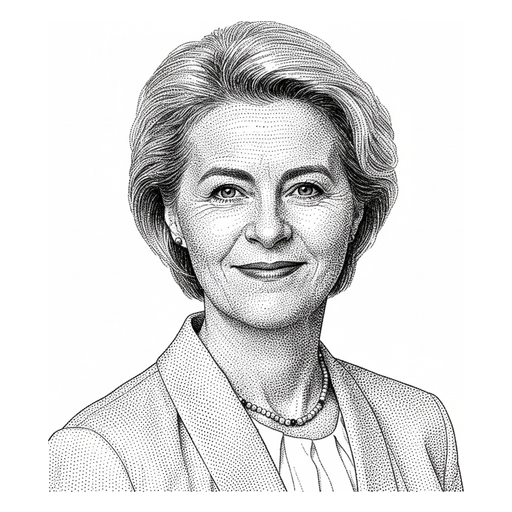 EU
Presented the package and said it will include third countries that help Russia evade sanctions12.
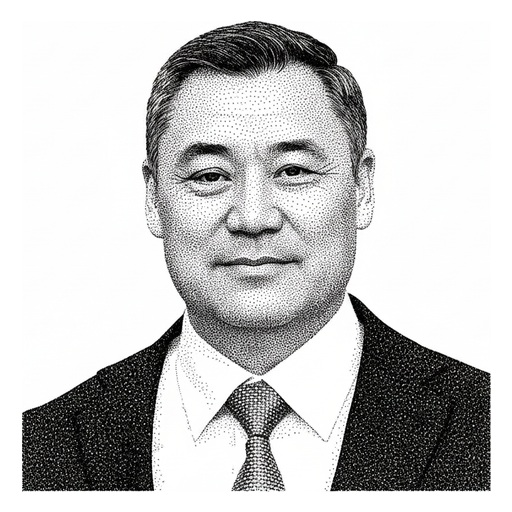 Kyrgyzstan
Oversees the sanctions-risk campaign in person, according to his government8. Called the April measures double standards13.
 Kyrgyzstan
Reported the 52 closures and 57 liquidations and offered regular dialogue with the EU8.
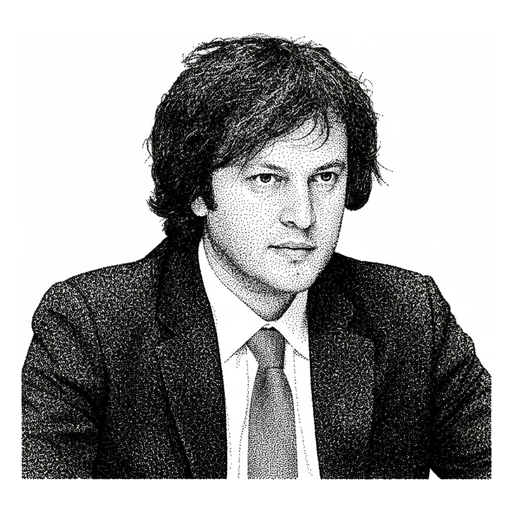 Georgia
Welcomed the proposal to delist Kulevi as a concrete decision6.
Portraits after photographs. Sadyr Japarov: UK Government, via Wikimedia Commons, CC BY 2.0; Irakli Kobakhidze: Jennifer Jacquemart / European Union, via Wikimedia Commons, CC BY 4.0.
Markers show the places named in the sources, not payment routes. Borders: Natural Earth. Crimea is shown as Ukrainian territory under Russian occupation. Other occupied areas are not drawn.
Sources: Kyiv Independent, November 23rd, 20263; EU Perspectives, November 25th, 20264; BeInCrypto via Yahoo Finance, April 22nd, 202610
Until April, the EU listed Kyrgyz banks and firms one by one16. Lars Danielsson, a Swedish diplomat, has just replaced David O'Sullivan as EU sanctions envoy, the post that led outreach to Central Asia15. A country-wide crypto ban would bar a whole category of business in one country, whatever the name of the platform. That removes the gain from re-registering under a new name, which Sydykov himself named as a risk8.
Brussels also shows the exit. The Commission said of Kulevi: "This shows that our sanctions can successfully change behaviour"1. In July the EU also removed an Azerbaijani bank from its transaction-ban list, which Steptoe reads as evidence that the policy aims at behavioural change in third countries17.
The ban has limits. Russia planned a legal route for crypto settlement in foreign trade, through eight licensed venues at home, according to BeInCrypto10. Flows that move from Kyrgyz platforms to other jurisdictions would fall outside a ban written for one country. Von der Leyen set out the aim in her statement on the package12.
We will focus on Russia but also include third countries that help Russia to evade our sanctions.
Any customer flow to Kyrgyz exchanges or token issuers14
Payments routed through Kyrgyz lenders, four of which were already under EU transaction bans by June5
Two product groups already banned for Kyrgyzstan since April5
Kulevi's transaction ban due January 25th, 20271
| Reader | What to do |
|---|---|
| Private equity (PE) and venture capital (VC) firms | Check portfolio fintech and payments companies for Kyrgyz exchange, token or bank links. Price a listing into any deal that depends on Central Asian settlement. |
| Family offices | Review direct holdings in Central Asian crypto or payment ventures. Kyrgyz state-backed tokens such as USDKG sit in the jurisdiction the proposal names13. |
| Corporates | Identify suppliers or buyers paid through Kyrgyz platforms. The April export ban applied with no transitional period5, so assume the same here until the text says otherwise. |
| Law firms | Prepare advice on jurisdiction-based screening and on delisting files. Kulevi's case shows the Commission will weigh documented commitments1. |
Confidence: medium. The piece draws on primary EU texts and on Bishkek's own statement. The Kyrgyz target itself comes from one outlet citing an anonymous official3, and the Commission's legal text is not public.
Primary assessment. Kyrgyzstan is the easiest case for a first listing. The EU has already used a country-level tool against it5, and Western regulators tie the A7 network to it9. The Kulevi delisting gives Brussels a public example of the exit, which helps it argue that the ban is conditional.
Strongest alternative reading. Bishkek is already doing what the ban demands. It reports closures and a draft screening decree8. On this reading, a listing punishes a government that is moving, and could push it toward Moscow. Japarov travelled to Moscow on the day the April measures were announced16. A second reading, from the Yorktown Institute, is that the cleanup moves the channel into state hands rather than closing it9.
Where we diverge from consensus. Coverage treats the ban as a blow to Russia's crypto finance. We read it as a test of whether the EU can make a small country choose, with Kulevi as the reward on display. Its effect on Russian flows depends on whether they move elsewhere10.
What would make this wrong: Bishkek publishes the names of liquidated firms and member states drop the Kyrgyz listing, or the package passes and flows through Kyrgyz platforms fall in blockchain data.
Article 12f lets the Council list goods and third countries in an annex. Activation needs a continuing high risk of circumvention, a systematic and persistent failure to prevent it, and proof that outreach and targeted listings were not enough5. The crypto ban of the 21st package works on the same logic but covers crypto service providers and exchange or transfer platforms11.
First ten months of 2025, as cited by the Council
Source: Norton Rose Fulbright, June 1st, 20265
Common high priority items are goods the EU links to Russian weapons production.
For Kulevi, Georgia drew 99% of its crude imports from Russia, according to Ecofin Agency as cited by EU Perspectives4. The refinery imported about 352k tonnes of Libyan oil in three months4. Bishkek's position was set out by Sydykov on October 27th, 20268.
Our position is unequivocal: the territory, jurisdiction, and banking and payment infrastructure of the Kyrgyz Republic must not be used for transactions intended to circumvent sanctions.
Ministry of Economy and Commerce of the Kyrgyz Republic8