Article 72 · South Africa's city coalitions
Helen Zille's DA won 35% in Johannesburg, yet a reported bloc with two seats to spare could deny her the mayoralty
Helen Zille, a former Cape Town mayor, is the Democratic Alliance's candidate to run Johannesburg, South Africa's biggest city. Her party came first there, but four rival parties are weighing a bloc that would shut her out.
Why Johannesburg's council matters
Johannesburg is South Africa's biggest city and its financial hub. Its council, like every South African municipality, distributes water and electricity. It also collects refuse and oversees some roads.
The African National Congress (ANC) has lost local votes for 15 years, largely over failures in water and electricity, Reuters reports. The ANC took power when apartheid ended in 1994.
In local elections on November 4th, 2026, the ANC won 30.76% of the national vote. It had 45.59% in 2021. It was the party's worst local result.
No party won a council majority in seven of the eight biggest cities. In Johannesburg, the pro-business Democratic Alliance (DA) came first, as Figure 1 shows.
That leaves Johannesburg with a hung council, where no party holds more than half the seats. The parties that build a majority there will choose the mayor.
Johannesburg vote share by party, 2026 local elections
Who Helen Zille is, and who wants her out
Helen Zille is the DA's candidate for mayor of Johannesburg. She is a party veteran and a former mayor of Cape Town.
She campaigned on fixing potholes and leaking water pipes, Reuters reports. Her party won about 35% of the vote in the city, against about 20% for the ANC.
Her main obstacle is Herman Mashaba, a former mayor of Johannesburg. He leads ActionSA, a party that broke away from the DA, the Associated Press reports.
Mashaba quit the DA in 2019 after a fallout with Zille, BusinessTech reports. ActionSA came third in Johannesburg with 16% of the vote.
Mashaba told Reuters that ActionSA will not support the DA with Zille as its mayoral candidate. He told the Business Day newspaper that Zille could become mayor only if the ANC backed her.
On November 7th, Mashaba wrote to DA leader Geordin Hill-Lewis, Daily Maverick reports. He offered to leave the mayoral race if Zille also stepped aside.
Under his offer, the DA would keep the mayoralty with another candidate, and ActionSA would take the deputy mayor's post.
ANC Secretary-General Fikile Mbalula leads his party's coalition talks. He called the election result "catastrophic". He is pictured below with Zille and Mashaba.
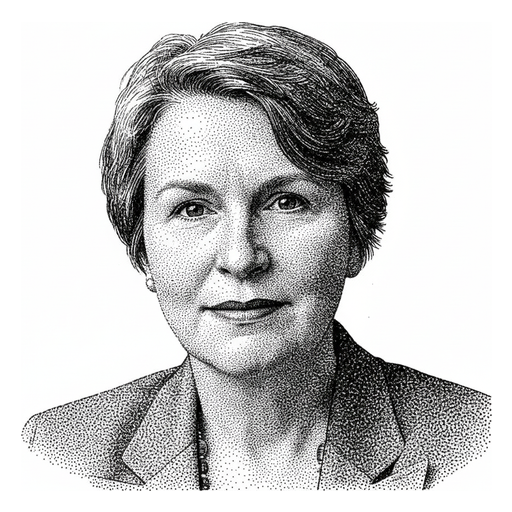
Helen Zille
Candidate for mayor of Johannesburg, Democratic AllianceA former mayor of Cape Town who campaigned on fixing potholes and leaking water pipes.
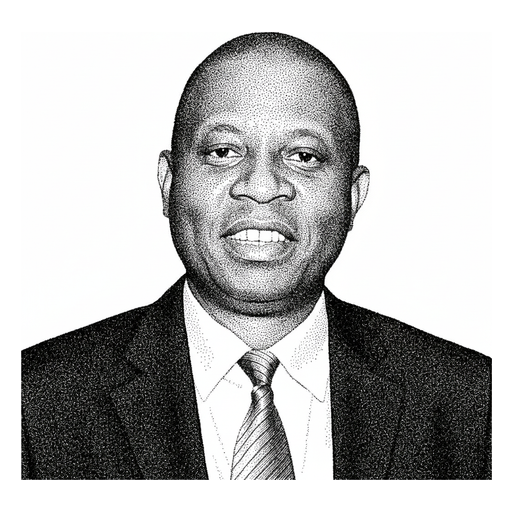
Herman Mashaba
Leader, ActionSAA former mayor of Johannesburg. Says ActionSA will not back the DA with Zille as its candidate.
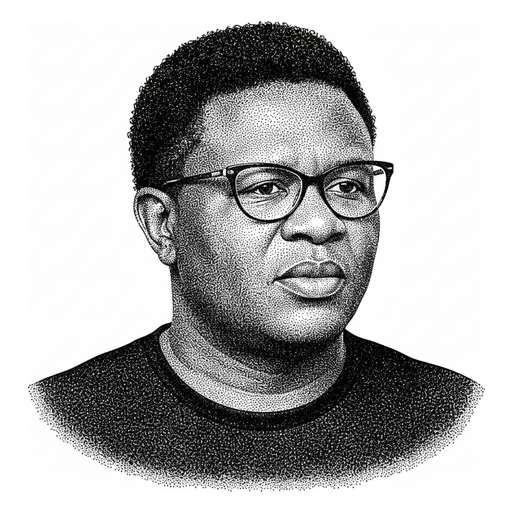
Fikile Mbalula
Secretary-General, African National CongressLeads the ANC's coalition talks, with full negotiating powers from its executive.
The arithmetic of 136 seats
Johannesburg's council has 270 seats, so a majority needs 136. The DA holds 91, according to seat counts published by BusinessTech.
People familiar with the talks told Bloomberg that four parties are considering a bloc. They are the ANC, ActionSA, the Economic Freedom Fighters (EFF) and uMkhonto weSizwe (MK).
The EFF is a left-wing party. MK is the party of former President Jacob Zuma. It came third nationally with 9.76% of the vote.
Figure 2 shows the possible majorities. The four-party bloc would hold 138 seats, and it could elect Mashaba as mayor, the same people said.
A deal between the DA and the ANC would hold 154 seats. The two already sit in a 10-party national government, formed after the ANC lost its parliamentary majority in 2024.
A pact between the DA and ActionSA would hold 134 seats. That is short of a majority, so it would need a third partner.
The four-party bloc may also extend to Tshwane, which includes the capital, Pretoria, and to Ekurhuleni. In Tshwane it would clear the majority line by one seat.
Johannesburg council seats by possible coalition
Why the ANC is turning away from the DA
The ANC's National Executive Committee (NEC) is the party's top decision-making body between conferences. It met in Boksburg, a town in Ekurhuleni, on November 12th.
On November 13th, it resolved that the DA should be a last resort for local coalitions, SABC News reports. Speakers said the national partnership with the DA had cost the ANC its base.
The decision was not unanimous. Michael Mabuyakhulu, the ANC's provincial convenor in KwaZulu-Natal, argued for working with the DA. Other leaders called for a case-by-case approach.
News24 reports that the ANC still wants to engage the DA. The NEC gave Mbalula full negotiating powers.
Collen Malatji, president of the ANC Youth League, called the DA a "no-no". Gauteng Premier Panyaza Lesufi of the ANC has signalled that he prefers a coalition without the DA.
The South African Communist Party (SACP) has joined the EFF and MK in a left-wing bloc. The bloc says it will consider working with the ANC only if the DA and the Freedom Front Plus leave the national government, Briefly News reports.
Daily Maverick reports a third option before the ANC. The ANC and the DA would each govern where they are largest and support each other in mayoral and no-confidence votes.
Two seats to spare
The four-party bloc would hold two seats more than it needs. If three of its councillors defected or stayed away, it would fall below 136.
The ANC also lacks a mayoral candidate inside the council. It won no proportional representation seats in Johannesburg, the seats parties fill from their lists, the Mail & Guardian reports.
None of its mayoral candidates in the city won a council seat as a result. The ANC is considering asking the SACP to give it list seats.
SACP acting spokesperson Mhlekwa Nxumalo said such a trade would not form part of its negotiations.
City finances are under strain. Some councils cannot collect what they are owed for services and owe state utilities billions of rand, BusinessTech reports.
The talks reach national politics too. President Cyril Ramaphosa's term as ANC leader ends in December 2027. Coalition deals could strengthen whichever ANC faction can claim the best route back, Reuters reports.
The 14-day clock
Parties have 14 days to negotiate before city councils are formed, Reuters reports. The Electoral Commission declared the results on November 8th. Figure 3 sets out the dates so far.
These would show which way the talks have gone:
From the vote to the ANC's resolution
- November 4th, 2026South Africans vote in local elections.
- November 7th, 2026Mashaba offers to leave the Johannesburg race if Zille also steps aside.
- November 8th, 2026The Electoral Commission declares the results. Mashaba tells Reuters ActionSA will not back the DA with Zille as its candidate.
- November 12th, 2026The ANC's NEC meets in Boksburg.
- November 13th, 2026The NEC resolves that the DA should be a last resort for local coalitions.
- Whether ActionSA backs a DA mayor in Johannesburg other than Zille.
- Whether the ANC signs a support deal with the DA in any Gauteng city.
- Who wins the first mayoral vote in Johannesburg's council, and by what margin.
- Whether the four-party bloc also forms councils in Tshwane and Ekurhuleni.