Article 76 · Canada
Doerkson's 64 seats can repeal British Columbia's Indigenous rights law but not the province's duty to consult First Nations
British Columbia, a Canadian province on the Pacific, elected a Conservative majority that plans to repeal DRIPA, its Indigenous rights law. The duty to consult First Nations would stay, and the oil tanker ban rests with Ottawa.
A new government in British Columbia
British Columbia is a Canadian province on the Pacific Ocean. Its legislature sits in Victoria. On October 24th, 2026, its voters elected a Conservative government, the first in nearly a century, The Narwhal reports.
Elections BC, the agency that runs provincial votes, has declared the final results. The Conservatives hold 64 of the 93 seats, the New Democratic Party (NDP) 27 and the Greens 2 (Figure 1). A majority takes 47.
Two close seats, Kelowna Centre and Ladysmith-Oceanside, go to judicial recounts before the Supreme Court of British Columbia. Neither can change who governs.
Lorne Doerkson, the Conservative leader, replaces David Eby of the NDP, which had governed since 2017. Eby called the snap election almost two years ahead of schedule (pictured below).
Conservative members of the legislature are sworn in on November 19th, and Doerkson's cabinet on November 20th. There will be no fall sitting. Doerkson says ministers will prepare "a substantive legislative agenda for the spring."
Seats won in British Columbia's 2026 election
Final count, of 93 seats. A majority takes 47.
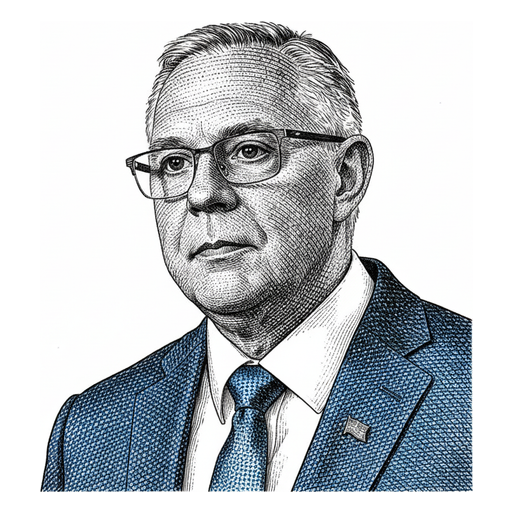
Lorne Doerkson
Premier-designate of British Columbia and Conservative leaderWants DRIPA repealed as soon as possible, with a bill in the spring session.

David Eby
Outgoing premier and NDP leaderCalled the snap election and lost. His government had dropped its own changes to DRIPA in the spring.
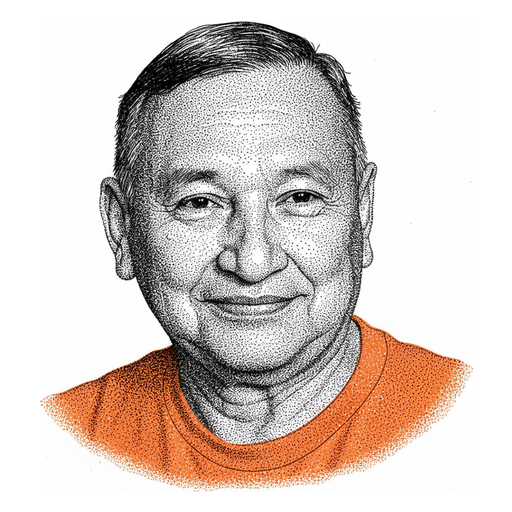
Stewart Phillip
Grand Chief, Union of B.C. Indian ChiefsFrames the choice as "Battleground B.C. or reconciliation".
What DRIPA does
DRIPA is the Declaration on the Rights of Indigenous Peoples Act. The legislature passed it unanimously in 2019. It adopts the United Nations declaration on Indigenous rights as the province's framework for reconciliation, My Cowichan Valley Now reports.
The act asks the government to bring provincial laws into line with that declaration. It also lets the province sign agreements with Indigenous governments to share decisions, including on major resource projects.
Criticism grew after court rulings on First Nations land and title rights, including mineral rights. Eby had promised changes to the act. His government dropped them in the spring after First Nations opposed them.
What a repeal would not change
Doerkson calls DRIPA "a thick piece of legislation". He says it "has caused more problems to date than I think potentially anything else," The Canadian Press reports. He has said a repeal could come in the spring session.
A repeal would not end the duty to consult. The Narwhal, an environmental news outlet in British Columbia, reports that ditching the law would not remove the government's consultation obligations with First Nations. Their rights are protected by the constitution, and disputes over them can go to the courts, as they have for decades.
First Nations leaders say they are ready to work with the new government and want the act kept. Grand Chief Stewart Phillip of the Union of B.C. Indian Chiefs called the choice "Battleground B.C. or reconciliation".
Hamish Telford, a political scientist at the University of the Fraser Valley, says Doerkson's economic plan hinges in part on Indigenous support. A repeal would "set his government off to a very bad start with First Nations," he said.
Gas and oil depend on others
The Conservatives promise to double liquefied natural gas (LNG) output by 2032 and triple it by 2035. LNG Canada is the only export plant now running, and five more projects are in development, The Narwhal reports. With them, the province was already on course to more than triple output by 2035.
Telford says private companies, not the premier, make those investment decisions, based on market demand and price.
Oil exports fall under federal law. Ottawa's Oil Tanker Moratorium Act bars tankers carrying more than 12,500 tonnes of oil from the north coast. On October 28th, 2026, the House of Commons voted down Bill C-264, a Conservative bill to repeal it, by 191 votes to 132.
Prime Minister Mark Carney agreed with British Columbia in July to keep the ban "without alteration, suspension, or narrowing of scope". The planned Pacific Link oil pipeline from Alberta avoids it by running south, largely along the Trans Mountain route to a terminal in Delta (Figure 2).
A rival plan by Strathcona Resources, a Calgary oil company, would move up to 250,000 barrels a day by rail to Prince Rupert. It needs the ban lifted.
What to watch, and by when
No repeal bill has been tabled. Until one passes, the act stays in force.
- November 19th: Conservative members of the legislature are sworn in.
- November 20th: Doerkson's cabinet is sworn in at Government House in Victoria.
- The judicial recounts in Kelowna Centre and Ladysmith-Oceanside, on dates the court sets.
- The spring session: whether the government tables a bill to repeal DRIPA.